

In the current global wave of green consumption, electric water pumps, combining environmental friendliness and practicality, are becoming a new favorite for drinking water in homes, offices, and public spaces. From a replacement for traditional water dispensers to a core component of a smart drinking water ecosystem, electric water pumps have rapidly risen in the market thanks to technological innovation and precise matching of needs. This article will analyze how they have won over consumers from three dimensions: market trends, product design, and manufacturing.
I. Market Trends: Environmental and Health Demands Drive Industry Explosion
With increasing global attention to plastic pollution, the use of disposable water bottles continues to decline, and consumers are increasingly choosing reusable drinking water solutions. Electric water pumps, with their "zero waste and low energy consumption" characteristics, align perfectly with this trend. According to industry data, the global electric water pump market grew by over 30% year-on-year in 2023, with the home market accounting for 65%, and outdoor and commercial markets showing significant growth.
Consumer demand exhibits three main characteristics:
Upgraded Health Awareness:Increased focus on water safety is driving product development towards food-grade materials and lead-free designs.
Diversified Scenarios:Utilizing features from home kitchens to camping, gyms, and offices, products require portability and adaptability.
Intelligent Expectations:Features such as app connectivity, water volume monitoring, and automatic power-off have become core demands among younger consumers.
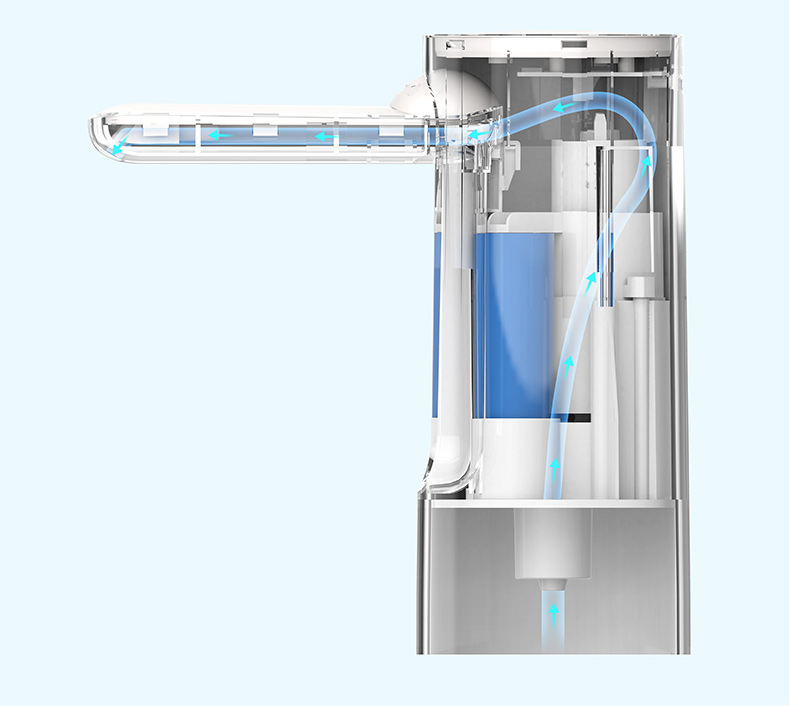
The competitiveness of electric water pumps stems from a deep understanding of user pain points. Current mainstream products differentiate themselves through three major design breakthroughs:
1. Modular Structure Enhances Portability
Utilizing removable batteries and lightweight materials (such as ABS+silicone), the weight is kept below 0.5kg. Supporting power bank charging, it meets the needs of outdoor scenarios. Some products feature a magnetic interface design for quick 3-second assembly, making them easy for the elderly and children to operate.
2. Breakthroughs in Quiet and Energy-Saving Technology
Through optimized motor structure and fluid dynamics design, operating noise is reduced to below 40 decibels, approaching the ambient sound level of a library. Meanwhile, equipped with a smart sensor chip, it automatically shuts off when it detects water flow cessation, saving up to 70% more energy than traditional water dispensers.
3. Upgraded Safety Protection System
To address the risk of accidental touch by children, a double-locking switch has been added; to prevent dry burning, a built-in water level sensor and temperature control module are included; food-grade silicone tubing is FDA certified to avoid secondary contamination. Some high-end models are also equipped with UV sterilization lamps to achieve end-to-end water purification.
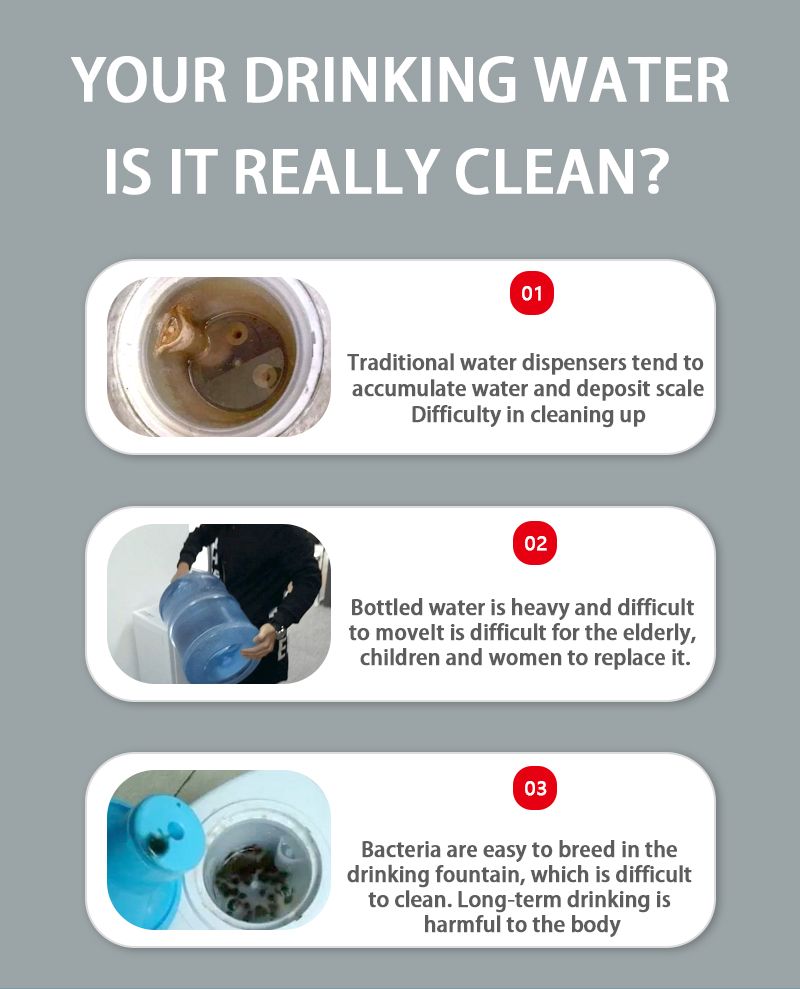
III. Manufacturing: Lean Manufacturing and Sustainability in Balance
The rapid popularization of electric water pumps is inseparable from innovation in manufacturing. Leading companies have built barriers to entry through the following technological paths:
1. Automated Production Lines Ensure Quality
Using robotic assembly and visual inspection systems, the product defect rate is controlled to within 0.3%. For example, one company introduced AI defect recognition technology, which can detect sealing ring deviations as small as 0.01mm in real time, ensuring no leakage after 100,000 presses.
2. Green Supply Chain Management
Comprehensive carbon reduction from raw material procurement to packaging:
Recycling plastic usage has increased to 40%, reducing dependence on petroleum; Biodegradable pulp molding packaging is used, reducing the use of foam plastics; Solar panels are installed on factory rooftops, achieving 100% green electricity production.
3. Flexible Manufacturing to Meet Customization Needs
Through digital management systems, companies can quickly respond to small-batch orders. For example, the logo customization service offered to corporate clients takes only 72 hours from order placement to delivery, without incurring additional costs.
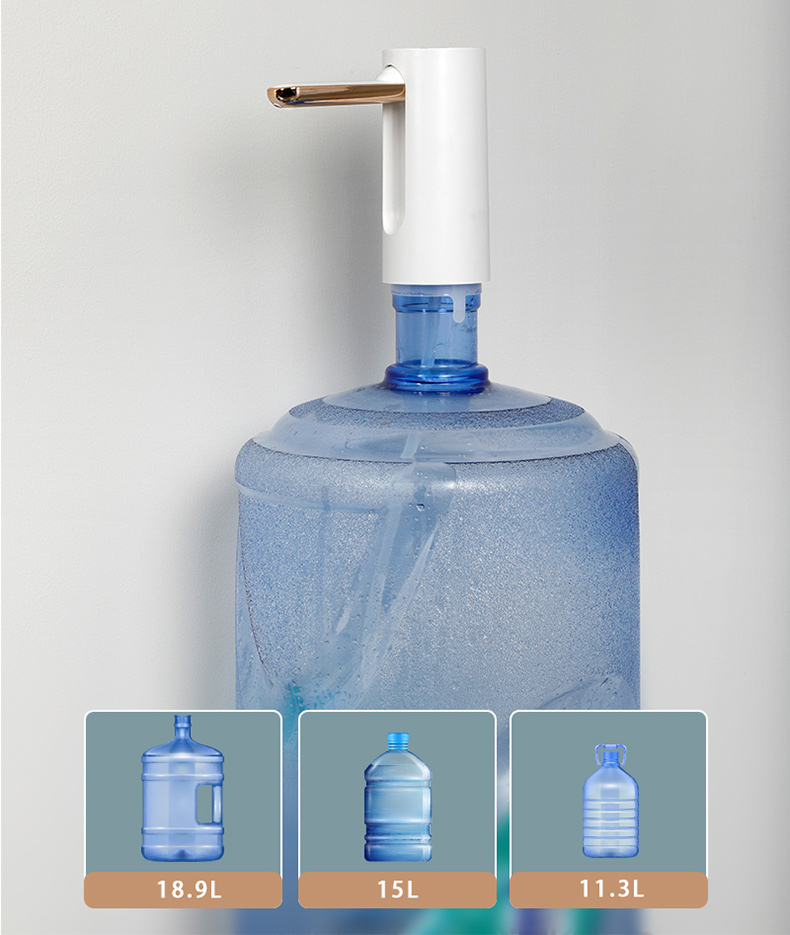
IV. Expanding Application Scenarios: Evolution from Tool to Ecosystem
The potential of electric water pumps extends far beyond simply being a "water-dispensing tool." In smart home scenarios, they are being integrated with water purifiers, coffee machines, and other devices: users can control the pumping and brewing process via voice commands. In the public sector, a scenic area has reduced its plastic bottle usage by over 2 million units annually by deploying solar-powered water pumps, becoming a benchmark case for ESG practices.
The rise of electric water pumps is essentially a result of the resonance between upgraded consumption concepts and technological iteration. As environmental protection transforms from a moral constraint into a rigid demand, and as pragmatism and aesthetic design become deeply integrated, these products are redefining modern drinking habits. In the future, with the maturation of technologies such as wireless charging and AI water quality monitoring, electric water pumps are expected to evolve from functional items into gateways to a healthy lifestyle, continuously leading the green consumption trend.