

When it comes to setting up a productive workspace—whether for studying, working, or creative tasks—lighting plays a crucial role in focus, concentration, and overall comfort. A desk lamp is more than just a source of light; it’s a tool that can either enhance or hinder your ability to stay focused for extended periods. The age-old debate of warm vs cool light often leaves people wondering which option is better for maintaining focus. This article breaks down the differences between warm and cool light desk lamps, explores how each affects focus, and helps you determine which one aligns best with your needs, while highlighting key lighting solutions that complement your workspace.
First, it’s important to understand the key differences between warm and cool light. Warm light, typically ranging from 2700K to 3000K, emits a soft, yellowish glow similar to natural sunlight at dawn or dusk. It creates a cozy, relaxing atmosphere, which can help reduce eye strain during long hours of use. Cool light, on the other hand, ranges from 5000K to 6500K, producing a bright, white or bluish light that mimics natural daylight at midday. This type of light is known for boosting alertness and sharpness, making it a popular choice for tasks that require intense focus.
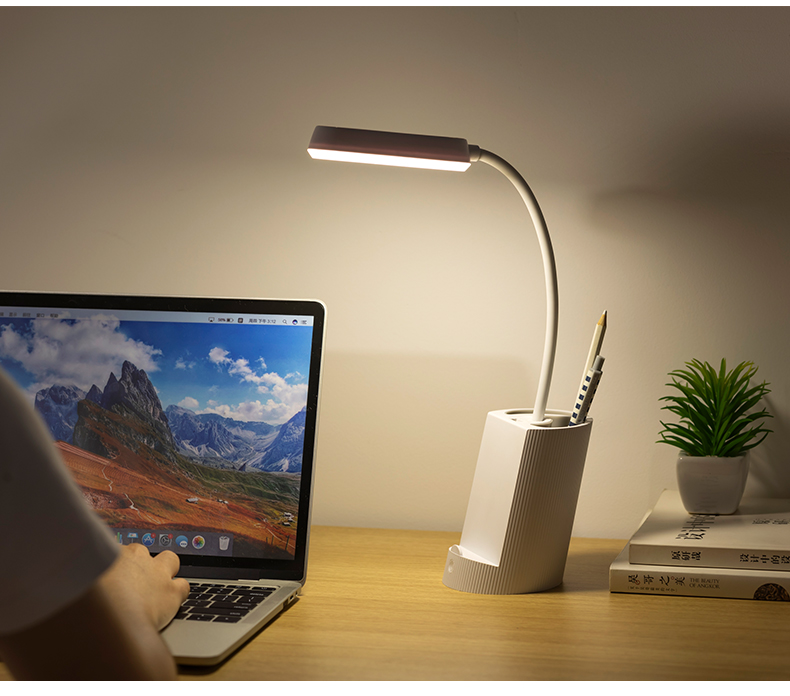
Cool light desk lamps excel at keeping you alert and focused during tasks that demand precision and concentration, such as coding, graphic design, or detailed writing. The bright, clear light reduces drowsiness and helps you stay engaged, even during afternoon slumps. For those who need a lamp that goes beyond basic lighting, a Multifunctional Lamp can enhance this experience—offering features like adjustable brightness, USB charging, or built-in organizers that keep your workspace tidy, further supporting focus by reducing distractions.
Warm light desk lamps, by contrast, are ideal for tasks that require prolonged focus without causing eye fatigue, such as reading, note-taking, or studying for extended periods. The soft glow is gentler on the eyes, reducing strain and making it easier to maintain focus over time. This is where an Eye Protection Lamp shines; designed with features like flicker-free lighting and anti-glare technology, it complements warm light to minimize eye discomfort, allowing you to stay focused longer without feeling fatigued.
Your specific task and environment also play a role in choosing between warm and cool light. For evening or night work, warm light is preferable, as it doesn’t suppress melatonin production (the hormone that regulates sleep) as much as cool light, helping you stay focused without disrupting your sleep schedule. For morning or midday work, cool light is more effective at boosting alertness, making it easier to tackle challenging tasks first thing. Additionally, the size and layout of your workspace matter—smaller, cozier spaces may benefit from warm light, while larger, open work areas can handle the brightness of cool light.
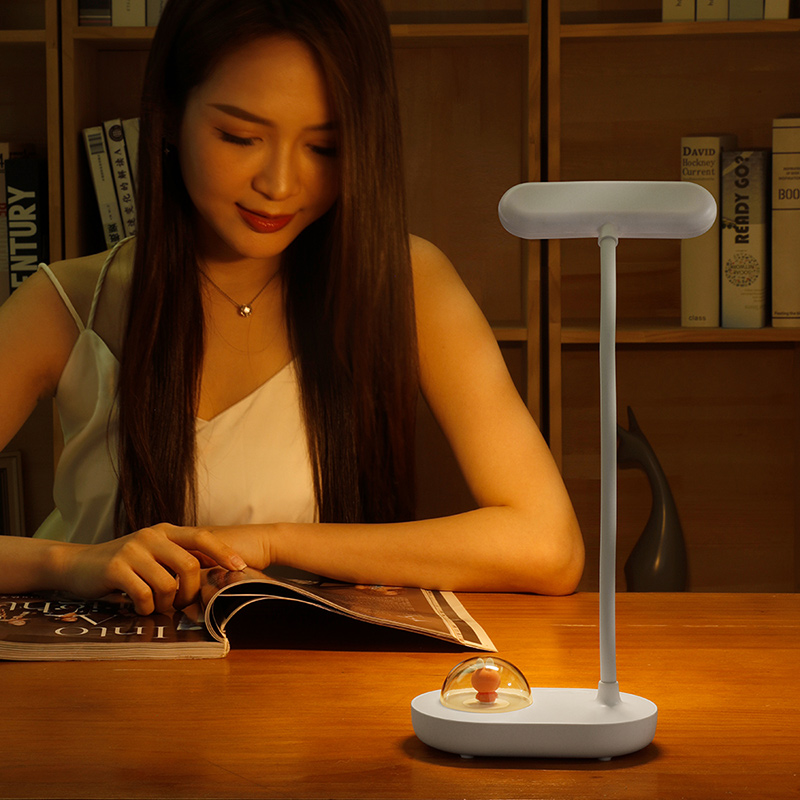
Portability is another factor to consider, especially if you work in multiple locations or need to adjust your workspace. A Rechargeable Table Lamp offers the flexibility to move your light source wherever you need it, whether you’re working at a desk, on a couch, or in a café. When paired with either warm or cool light, it ensures you can maintain focus no matter where you are, without being tied to a power outlet. This versatility makes it a valuable tool for anyone with a dynamic workspace.
In conclusion, there’s no one-size-fits-all answer to whether warm or cool light is better for focus—it depends on your task, environment, and personal preference. Cool light is ideal for alertness and precision tasks, while warm light excels at reducing eye strain during prolonged focus. Incorporating features like multifunctional design, eye protection, or rechargeability can further enhance your focus by making your workspace more comfortable and convenient. By understanding how each type of light affects your concentration, you can choose a desk lamp that supports your productivity and helps you stay focused on the task at hand.