

Auto sensor soap dispensers are a hygienic, convenient addition to homes, offices, restaurants, and public restrooms, eliminating manual contact and ensuring consistent hand hygiene. While these devices are designed for ease of use, proper installation and regular maintenance are key to ensuring their long-term performance and reliability. This complete guide walks you through every step of installing an auto sensor soap dispenser, as well as essential maintenance tips to keep it running smoothly, helping you get the most out of this essential hygiene tool.
Before starting the installation process, gather all necessary tools and materials, which typically include the dispenser unit, mounting hardware (screws, anchors), a power source (batteries or AC adapter), and the soap of your choice. Begin by selecting a suitable location—ideally a flat, dry surface near a sink, with enough space for the sensor to detect hand movements without obstruction. Avoid areas with direct water splashes or extreme humidity, as these can damage the sensor or internal components. For wall-mounted models, mark the mounting holes, drill pilot holes if needed, and secure the dispenser using the provided hardware. For countertop models, simply place the unit in your desired location and ensure it’s stable.

Once installed, the next step is to set up the soap supply, and this is where an Automatic Soap Dispenser’s versatility shines. Most auto sensor dispensers are compatible with a range of soap types, but it’s crucial to check the manufacturer’s instructions to avoid clogging or damage. Insert the soap reservoir or refill cartridge, ensuring it’s properly sealed to prevent leaks. If using a refillable reservoir, pour the soap slowly to avoid overflow, and wipe away any excess soap from the dispenser’s exterior to maintain cleanliness.
After installation, test the dispenser to ensure it’s working correctly. Wave your hand in front of the sensor— the unit should dispense a consistent amount of soap within 1-2 seconds. If the sensor is unresponsive, check the power source (replace batteries or ensure the AC adapter is properly plugged in) and adjust the sensor sensitivity if your model has this feature. Proper installation not only ensures functionality but also prevents unnecessary wear and tear on the device.
Regular maintenance is essential to keep your auto sensor soap dispenser in top condition, and this is particularly important for a Foam Soap Dispenser. Foam soap can leave residue in the dispenser’s nozzle over time, leading to clogs and inconsistent dispensing. To clean the nozzle, remove it gently (following manufacturer instructions) and soak it in warm, soapy water for 10-15 minutes, then rinse thoroughly and dry before reattaching. Wipe the sensor lens regularly with a soft, dry cloth to remove dust, dirt, or soap residue, as these can interfere with detection.
Battery maintenance is another critical aspect. For battery-powered dispensers, replace batteries every 3-6 months (or as needed) to avoid sudden malfunctions. If the dispenser uses an AC adapter, inspect the cord regularly for damage, and avoid pulling or twisting it to prevent electrical issues. Additionally, empty and clean the soap reservoir every 1-2 months to prevent bacterial growth, especially if using liquid or gel soap. Refill the reservoir with fresh soap to ensure optimal performance and hygiene.
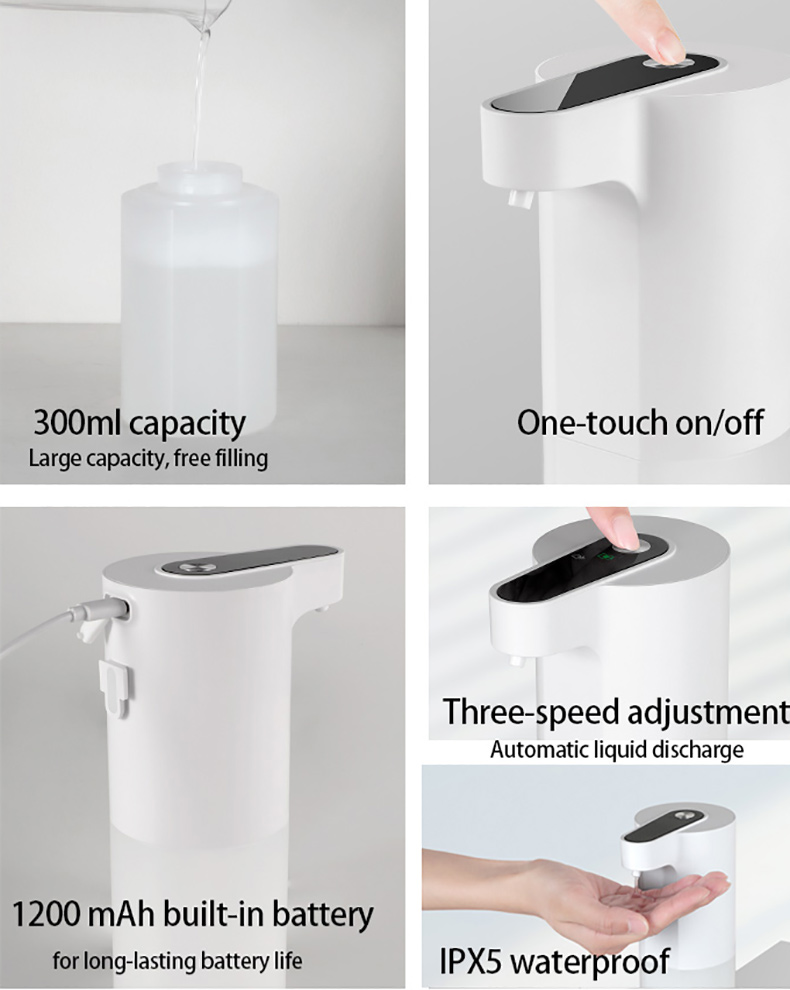
Troubleshooting common issues can save you time and money. If the dispenser dispenses too much or too little soap, adjust the soap volume settings (if available). If it leaks, check the reservoir seal and ensure it’s properly secured. For a Liquid Soap Dispenser, clogs are often caused by thick soap or debris—flush the reservoir with warm water to clear any blockages. If problems persist, refer to the manufacturer’s manual or contact customer support for assistance.